The Strategic Designer and the Galvanizing Trap
August 24, 2026
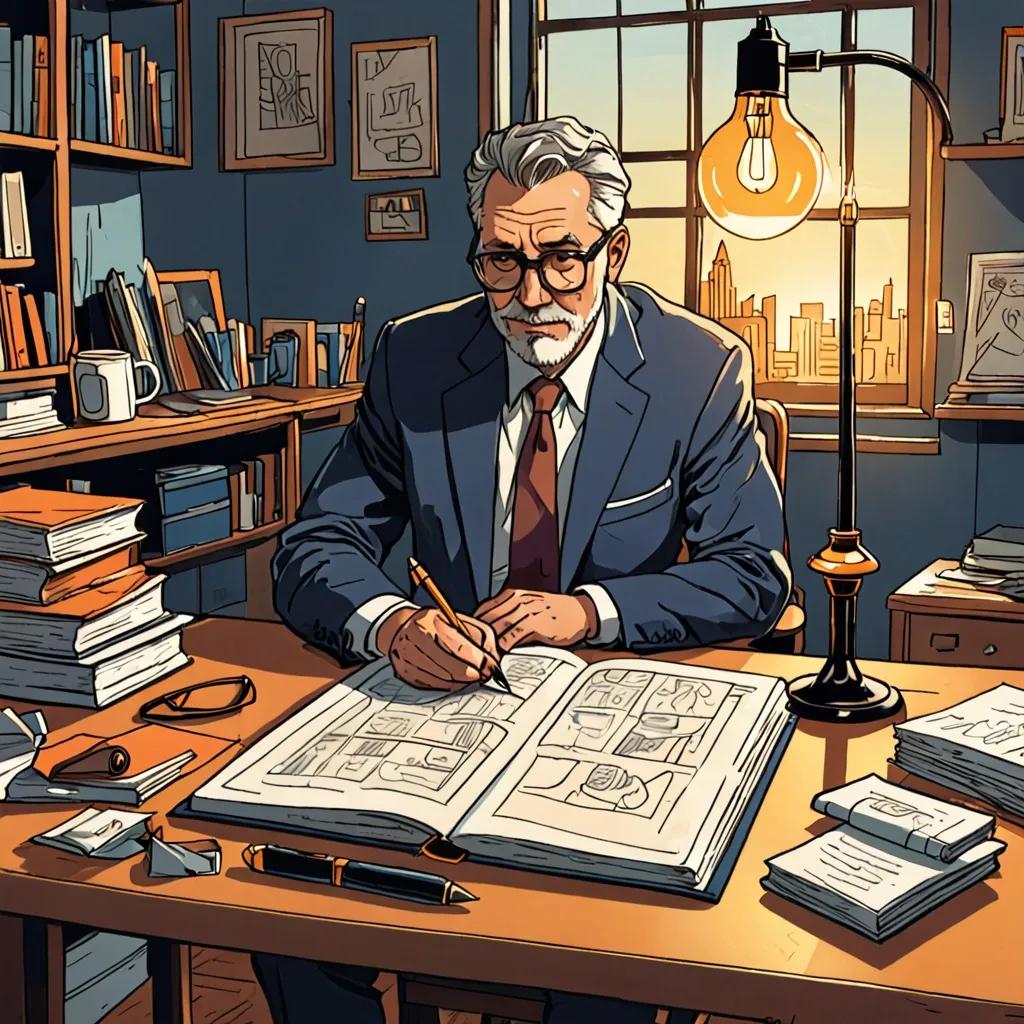
The Strategic Designer and the Galvanizing Trap
A management fable inspired by “The 6 Types of Working Genius” (Patrick Lencioni).
The exhaustion of doing what you are not
Lencioni’s Working Genius model separates the working geniuses where each person performs from the working frustrations that drain them when forced to operate there. Two of the six geniuses are Invention (creating something new) and Discernment (judging whether an idea is good before investing). Together they form the strategic designer archetype.
The classic organizational trap is to use that person for everything except what they are good at. This is the story of what happens when a board turns its best architect into a corporate cheerleader.
The story
Camila was regarded at Vanguard Modular as a brilliant mind for untangling complex structural dilemmas. She embodied the strategic designer: a sharp instinct for assessing the feasibility of new systems before investing a dollar, the ability to spot inconsistencies in engineering flows, and an elegant hand for automation models.
Whenever the company hit a complex bottleneck, Camila would isolate herself for three hours and emerge with a clean, modular architecture that saved months of development.
Company growth brought a distorted reinterpretation of her role by the board.
The demand for “cheerleading”
After an executive leadership change, the new leadership noticed that some plant teams lacked discipline and urgency. Rather than fixing the root cause through hiring and clear standards, the board reached for the blunt instrument:
—Camila, you’re our most capable technical leader. We need you on top of every team. Daily motivational huddles, hourly time-log reviews, and personal pressure to make them deliver.
For Camila, that directive meant plunging into her primary working frustration: forced galvanizing and micromanagement.
The exhaustion of chasing adults
For six months, Camila tried to carry out the mandate. Chasing team members who wouldn’t own their work, acting as a corporate cheerleader, and forcing artificial dynamics of enthusiasm drained her completely.
By the end of every week, the exhaustion was overwhelming. Worse: while spending eighty percent of her time pushing people who wouldn’t move on their own, her real gifts — systemic invention and pre-emptive discernment — were sidelined. Innovation at Vanguard stalled.
The breaking point came at the quarterly planning session.
—Camila, milestones are slipping despite you being in every meeting —a board director said—. Why aren’t you getting people to move faster?
Camila took a breath and dismantled the organizational fallacy:
—Because my role is not to be the warden or the emotional engine for people who lack professional ownership. My strength is engineering systems that work and catching fatal flaws before they cost us fortunes. If you need me to spend my days chasing adults to do their basic job, we don’t have a motivation problem. We have a structure and hiring problem.
Realignment and autonomy
Camila proposed a fundamental restructuring:
- Delegate tactical activation: appoint project coordinators whose natural genius was mobilization and milestone tracking (Galvanizing and Tenacity).
- Restore design focus: reclaim her time for process architecture, technical vetting, and pre-production feasibility.
- Outcome-based accountability: hold engineers accountable for clear deliverables and objective metrics, not for how many reminders they received from management.
Within ninety days, the impact was undeniable: delivery timelines stabilized, plant operations ran with clarity, and Camila recovered the creative energy that had made the company a sector leader.
What senior leadership should learn
1. Identify working frustrations. Forcing an analytical, innovative leader (Invention/Discernment) into policing and artificial motivation drains their energy and stalls innovation. It is not a commitment problem; it is a functional misalignment.
2. The myth of constant pushing. If a team requires its technical director to push every task (forced galvanizing), the flaw is in hiring or in the absence of consequences, not in leadership. Protecting the underperformer condemns the one who performs.
3. Separate the WIDGET roles. Complement design and invention profiles with coordinators whose natural gift is activation and closing (Tenacity). The right talent in the right seat.
4. Design systems, not babysit. Strategic leaders create the most value by building clear architectures for professionals who act like responsible adults. If your best designer is playing warden, the problem is not their energy: it is that your company has no standards and no consequences.
Fable inspired by the Working Genius model from “The 6 Types of Working Genius: A Better Way to Understand Your Gifts, Your Frustrations, and Your Team” (Patrick Lencioni).