The Blind Launch and the True Cost of Skipping Local Value Addition
August 19, 2026
The Blind Launch and the True Cost of Skipping Local Value Addition
A management fable inspired by the discipline of strategy from “Scaling Up” (Verne Harnish).
The trap of confusing factory-ready with customer-ready
In Scaling Up, Verne Harnish insists that a company’s strategy is not a decorative document, but the discipline of building a unique value proposition and executing it without a hitch. One of the most expensive temptations of growing companies is rushing commercial launches before finishing the curve of technical adaptation and local validation.
Confusing a machine leaving the factory with a product ready for the end customer is one of the fastest ways to burn brand reputation in front of the accounts that cost the most to win. This fable is about that confusion, and about what happens when commercial enthusiasm outruns the voice of engineering.
The story
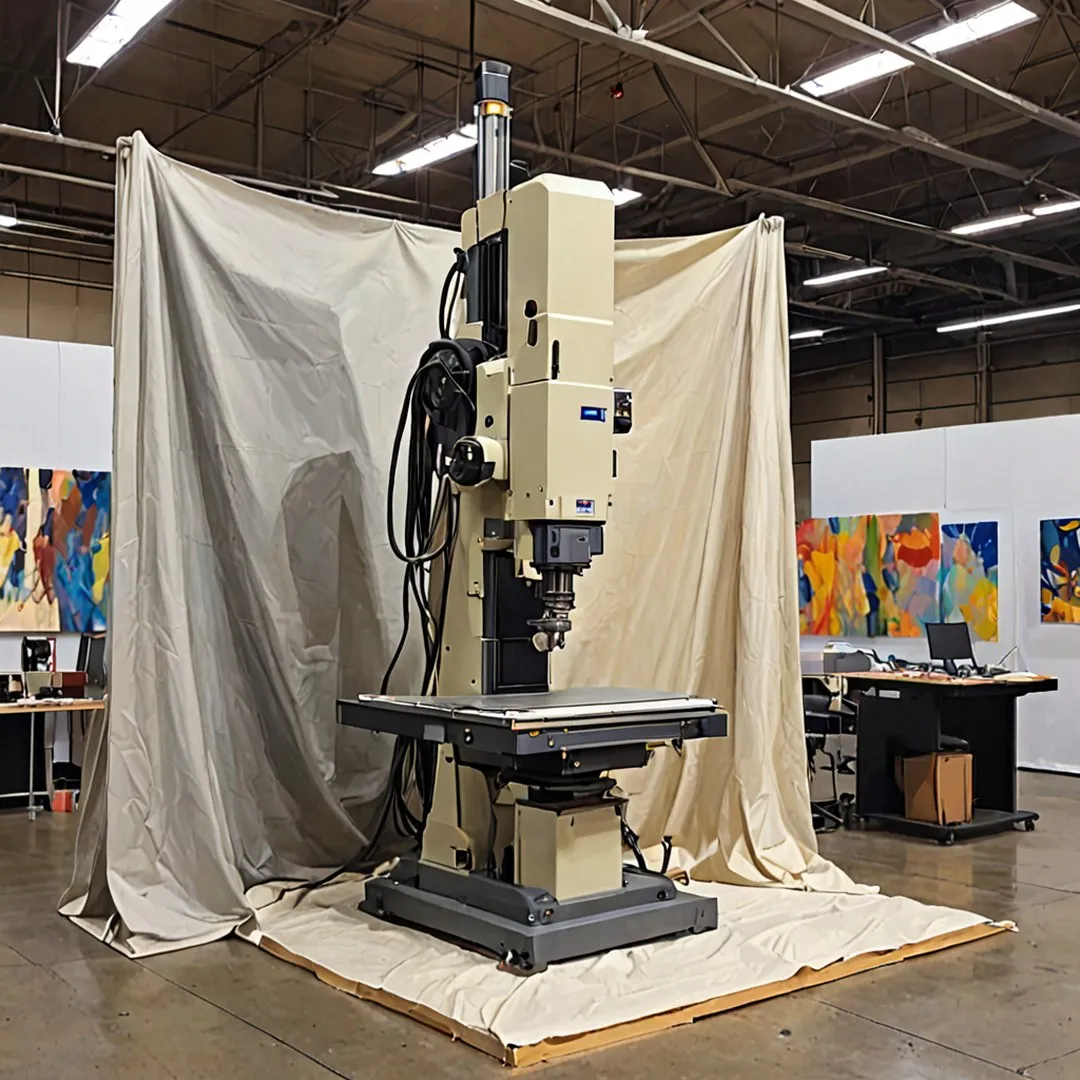
Tension at the headquarters of Vanguard Precision was thick. After months of overseas negotiations, the first prototype of a high-precision five-axis CNC machining center had finally arrived on the shop floor, imported directly from an advanced plant abroad.
Andrés, Director of Engineering, had inspected the machine at origin. And he held a technical position he repeated at every executive review:
“The machine has an excellent structural casting and robust servomotors, but it is built to factory specs for another market. To make it dependable for our aerospace and precision tooling clients, we have to go through what I call local value addition: integrate the three specialized CAM software packages, calibrate the thermal compensation kinematics, and adapt the logic controllers. We need four uninterrupted weeks on the shop floor before any public demonstration.”
Around the same time, the machining lead took his scheduled two-week leave. Andrés decided to step onto the floor himself to keep the validation work moving and protect the client deliverables waiting on samples.
In the executive offices, though, the plans were different. The company had recently brought in a corporate development advisor with an impressive resume from a multinational competitor. Dazzled by the imposing design of the new CNC center and backed by the commercial director, the advisor pitched an idea he considered brilliant:
“The annual aerospace manufacturing expo opens in five days. If we demonstrate this five-axis center live, we capture the three largest accounts in the sector that we have chased for three years.”
When Andrés walked onto the shop floor in his work boots with the calibration laptop, he found a puzzling scene: the machine was being strapped onto a heavy freight truck.
“What is going on here?” he demanded, stepping between the riggers and the machine.
“We are taking it to the expo,” the advisor replied with a confident smile. “It is an unmissable commercial opportunity.”
“This machine is uncalibrated,” Andrés warned firmly. “We have not loaded the compensation kinematics, the CAM postprocessor is only half-integrated, and the micron-level tolerances have not been verified. Taking it like this is guaranteed ruin.”
The Managing Partner stepped in.
“Andrés, you signed the factory acceptance report saying the machine was ready to leave the factory. Do not be a bottleneck. Over there we are only running a basic dry cutting demo.”
“I said it was ready to leave the factory in its controlled environment,” Andrés fired back. “Factory-ready does not mean customer-ready. Our reputation rests on what we certify here. If you fire it up there uncalibrated, it will not respond.”
Executive decision won. The machine shipped.
On opening morning, the Vanguard Precision booth was packed. The procurement directors from the three largest aerospace conglomerates stood front row, waiting for the simultaneous machining demonstration.
The advisor powered up the control panel, loaded a standard routine, and pressed the start button.
What followed was a predictable disaster. The poorly integrated CAM software sent a mistimed instruction to the fourth axis; the main spindle collided with the pneumatic vise with a deafening screech and the emergency stop fired in front of the stunned customers. The workpiece was gouged, the tool shattered, and the machine sat dead under a tarp for the rest of the expo.
The cost of the shortcut was devastating: all three strategic accounts ruled the company out for technical immaturity, the machine suffered transit damage that delayed testing by three more weeks, and Andrés had to spend an extra month rebuilding the shop’s credibility.
Closing the post-mortem report, Andrés left a single conclusion in the minutes:
“No commercial pressure justifies doing quality control live in front of the customer. Serious engineering takes no shortcuts, because the market never forgives those who sell factory promises as finished solutions.”
What a leader should take from this
Factory shipment is raw material, not the finished product. Competitive advantage and healthy margins are not in the machine that crosses the door. They are in the value you add locally: software integration, calibration, warranties, and adaptation to real operating conditions. Whoever believes they delivered a finished product when they only received a raw material finds out in the worst moment possible. Value does not ride on the truck; it is built in your own shop.
Commercial charisma without technical backing destroys markets. Forcing a public demonstration of immature technology to impress strategic clients rarely ends well, and when it goes wrong the damage is not fixed in a month. An account that watches your product fail in public does not trust you again soon, no matter how many commercial arguments you bring later. Enthusiasm sells once; evidence sustains the relationship.
The voice from the operational frontline is not an obstacle, it is a warning. When engineers and plant leaders flag tolerance or safety risks, they are not resisting change. They are protecting what the executive cannot see from their office. The leadership that overrides them in the name of “urgency” ends up paying that cost multiplied in reputation, capital, and time. Listening to the person who calibrated the machine is not weakness. It is the cheapest way to learn an expensive lesson.
The question that remains
When was the last time your commercial team pushed a launch and your technical team said it was not ready, and which of them was right?
Fable inspired by the discipline of strategy from “Scaling Up” by Verne Harnish.