The 33 Toolboxes: Identity and Technical Dignity
August 17, 2026
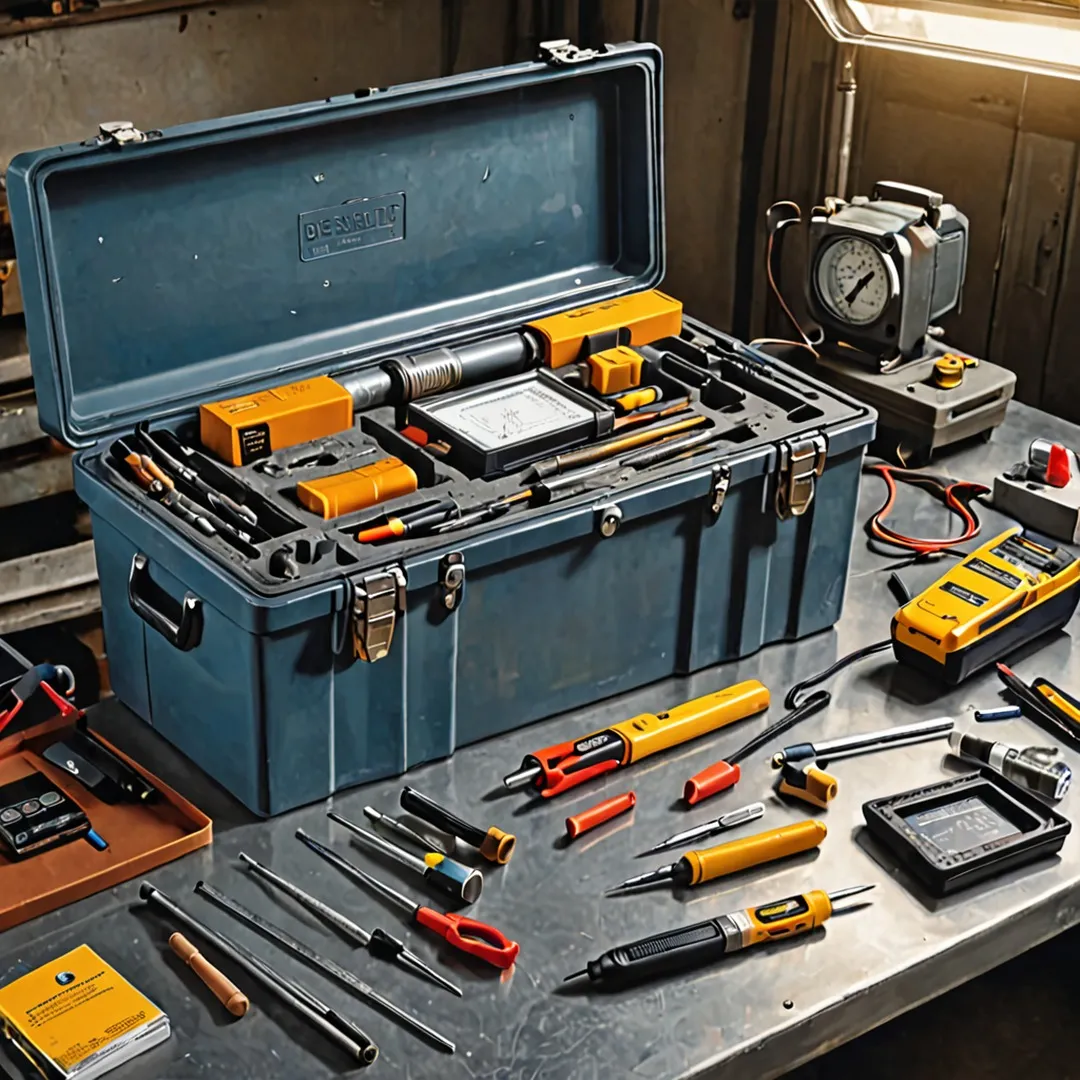
The 33 Toolboxes
A management fable inspired by the role of identity in “Atomic Habits” (James Clear).
The deepest level of change
James Clear argues that the most lasting change does not happen at the level of outcomes or processes, but at the level of identity. When someone stops telling themselves “I am just an operator who pushes buttons” and starts telling themselves “I am a professional, responsible technician,” their habits change from the inside. They take care of equipment differently. They perform differently.
And here is the uncomfortable part: identity is shaped by what we do, but also by how the organization treats us. If you treat people like disposable labor, they will behave like disposable labor. If you train them and equip them as professionals, they will protect the core of the business.
This fable is about speaking through tools.
The story
Optima Imaging was a national chain of thirty-three digital imaging and printing labs. Leadership invested heavily in modernization, replacing legacy chemical systems with high-precision digital technology.
Despite the multi-million-dollar investment, the machines suffered constant breakdowns and unscheduled downtime. Management found a quick culprit: the thirty-three branch operators. They were treated with disdain, as unskilled, replaceable labor.
Carlos, the regional technical lead responsible for ten branches, saw something else:
“We do not have a machinery problem or a staff problem. We have a dignity problem. The people running these machines produce the final product of this company. If we treat them like uninformed floor workers, they will act like floor workers; if we train and equip them as technicians, they will protect the core of the business.”
Carlos presented a demanding proposal to senior management. Three pieces, no shortcuts.
First, he wrote illustrated, step-by-step service manuals without incomprehensible jargon. Second, he brought all thirty-three operators to headquarters for an intensive one-week training, with travel and lodging arranged. Third, the symbol: at the end of the course, each operator received a heavy-duty toolbox with a digital multimeter, metric Allen keys, specialized lubricants, and their own set of manuals with their name engraved.
For many of them, invisible for years in their branches, that toolbox was a turning point. They returned not as resigned operators, but as certified technicians. Breakdowns dropped sixty-five percent in the first quarter. Response times fell to minutes. Remote support became precise.
Years later, when he left to take on other challenges, Carlos left management with one last reflection:
“Never treat people only for what they are today. Treat them for what you believe they can become. Some will respond only to their current level and will not reach the goal. But if you give them the tools, the knowledge, and the dignity they deserve, the vast majority will far exceed what you expected of them.”
What a leader should take from this
Identity transforms care. An employee who sees themselves as a professional takes care of assets with pride and rigor. The same operator can be a problem or can own the operation, and the difference usually starts in how the company treats them.
Tooling is trust. Demanding technical diagnoses from someone who does not even have a proper screwdriver is operational hypocrisy. Giving them the right tools is the first real act of empowerment.
Excellence is measured where the work happens, not where decisions are made. The value of a company is not proven by how eloquent its board is, but by the competence and dignity of the people running its machines on the ground.
The question that remains
Are you developing your frontline, or just watching it? Are you giving people the tools to own their work, or treating them as replaceable parts of a machine? The difference is not a budget decision. It is an identity decision.
Fable inspired by “Atomic Habits” by James Clear. Versión en español